

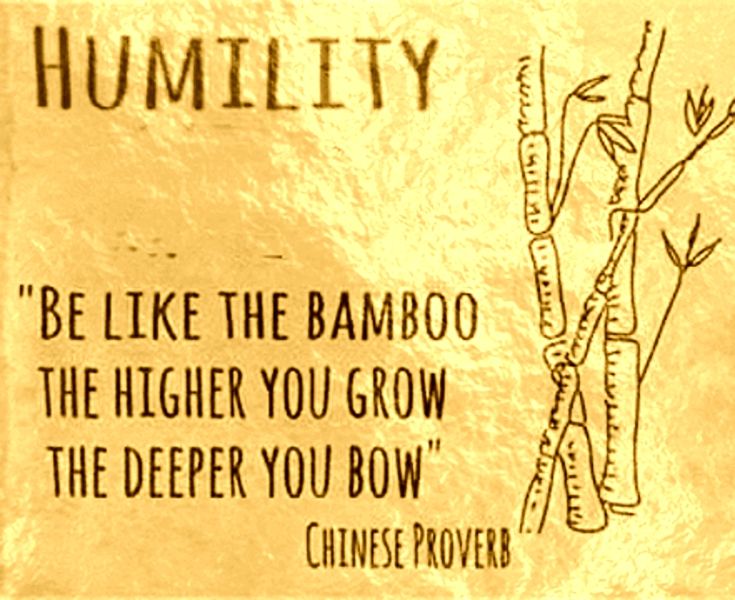
At that time, the disciples came to Jesus and asked, “Who, then, is the greatest in the kingdom of heaven?”He called a little child to him and placed the child among them. And he said: “Truly I tell you, unless you change and become like little children, you will never enter the kingdom of heaven. Therefore, whoever takes the lowly position of this child is the greatest in the kingdom of heaven. And whoever welcomes one such child in my name welcomes me. (NIV)
God’s benevolent, gracious, and ethical realm is accessed and rests upon humility. Wherever there are humble hearts, there is change, transformation, and new life. Where there is the presence of pride, there you will find posturing, positioning, and peacocking – nothing changes.
Humility enables a person to see beyond the end of their nose. A humble posture allows an individual to observe the wounds and pains of those with little power and low societal status. A preoccupation with being great and believing we are indispensable is to amble down a blind path.
In the ancient world, children were on the lowest rung of society’s ladder. They were mostly looked upon as potential adults – little people who would someday contribute to the welfare of the family business and the community. Until then, kids were expected to begin learning their future trade with full submission and obedience. They had no power or leverage over others.
So, when Jesus told his disciples to take the lowly position of a child, he was not talking about innocence or cuteness. Christ meant for his followers to divest themselves of prideful positioning for greatness and embrace the helplessness and vulnerability of children. For Jesus, a child was closer to God’s rule and reign because they existed in truly humble circumstances, whereas an adult had too much concern with looking good and seeking every advantage possible.
Life is more upside-down than we sometimes realize. Adults have more to learn from kids than kids do from adults. To listen to a child is about as near to hearing the voice of God as you will get.
Let us consider how pride and humility work out in our daily lives. For example, when down and hurting, maybe you have had the experience of another person trying to one-up your pain, as if what they experienced was worse than you. In their pride, they ignore that pain is personal, as if it’s a one-size-fits-all.
Invalidating a person’s state of being or feelings does no one any good. It happens because of pride and a lack of humility. Imagine going to see a doctor who turns out to be arrogant in his approach. He fails to really listen to you. He just gives a quick exam and offers his diagnosis with a regimen of more pills to take. You are left sitting there while he is off to another patient, colonizing another person’s mind and emotions with his expertise.
I am not giving doctors a hard knock. I work in a hospital and have great respect for medical professionals who provide wise care plans. Yet, it is likely that you, like me, have had that occasional experience of the doctor full of him/herself with all the right answers on your pain and situation.
You may have also had the unfortunate experience of having a pastor, therapist, or counselor assess your situation with little information and even smaller compassion. Like writing a script for pills, they give you a few Bible verses and tell you to quit sinning and live obediently.
If pride and arrogance are the original sin, then the remedy to that malady is humility. No matter who we are – whether doctors, pastors, laypersons, patients, or whomever – we are meant and designed by our Creator God to live a humble life. That means we are to both give and receive humility-based care.
Humility is the cornerstone to every good thing in this life. Jesus said:
“Blessed are the poor in spirit, for theirs is the kingdom of heaven.” (Matthew 5:3, NIV)
The door of God’s kingdom swings-open on the hinges of humility.
The Apostle Paul, seeking to follow his Master Jesus in his teaching and humility said:
“Since God chose you to be the holy people he loves, you must clothe yourselves with tenderhearted mercy, kindness, humility, gentleness, and patience.” (Colossians 3:12, NLT)
Basic human interaction with one another is grounded in humility. The old prophet made his expectations clear:
“He has told you, O mortal, what is good; and what does the Lord require of you but to do justice, and to love kindness, and to walk humbly with your God?” (Micah 6:8, NRSV)
Life is truly life when it is humility-based.
Therefore, caring for another person is not a simple linear matter of offering your opinion or expertise; it is believing that the one needing care is the expert on herself. The caregiver has as much to learn from the care-seeker. The beauty of humility-based care is that two people discover together how to grow, thrive, and flourish in a situation where it is not currently happening.
Breakthroughs occur in the soil of humility when the care-seeker comes out of the darkness and into the light through mutual discovery and insight.
We live with the confidence of the Psalmist:
“God leads humble people to do what is right and teaches them the way.” (Psalm 25:9, GW)
In the end, God saves and heals, not you or me. That God chooses to use us to bring care to others ought to elicit the utmost of humility within us.
Lord God let me have too deep a sense of humor to be proud. Let me know my absurdity before I act absurdly. Let me realize that when I am humble, I am most human, most truthful, and most worthy of your serious consideration. Amen.


