


The Lord looked and was displeased
that there was no justice.
He saw that there was no one,
he was appalled that there was no one to intervene;
so his own arm achieved salvation for him,
and his own righteousness sustained him.
He put on righteousness as his breastplate,
and the helmet of salvation on his head;
he put on the garments of vengeance
and wrapped himself in zeal as in a cloak.
According to what they have done,
so will he repay
wrath to his enemies
and retribution to his foes;
he will repay the islands their due.
From the west, people will fear the name of the Lord,
and from the rising of the sun, they will revere his glory.
For he will come like a pent-up flood
that the breath of the Lord drives along.
“The Redeemer will come to Zion,
to those in Jacob who repent of their sins,”
declares the Lord.
“As for me, this is my covenant with them,” says the Lord. “My Spirit, who is on you, will not depart from you, and my words that I have put in your mouth will always be on your lips, on the lips of your children and on the lips of their descendants—from this time on and forever,” says the Lord. (New International Version)
The Lord inhabits a lot of roles as God: Creator and Sustainer, Father and Mother, Helper and Healer, Sovereign and King, Shepherd and Spirit, and much more. In today’s Old Testament lesson, we see God as the Divine Warrior and Redeemer.
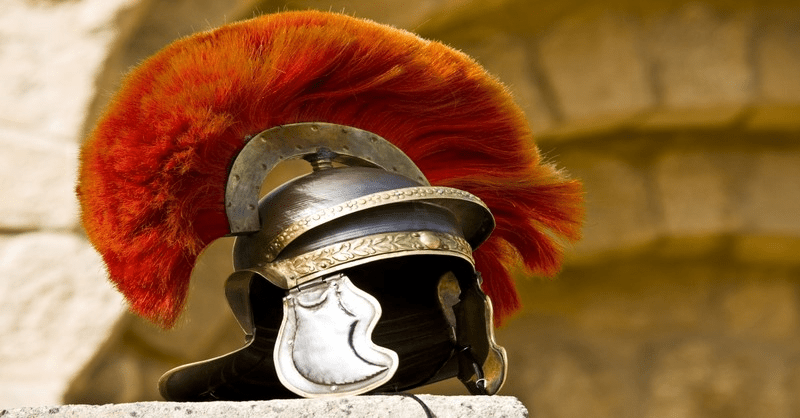
Readers of the New Testament will pick up on the warrior language in Isaiah’s prophecy (Ephesians 6:10-20). The Divine Warrior readies for battle by putting on armor: a breastplate of righteousness and the helmet of salvation. The Lord prepares to intervene, to make war on injustice, because there are no earthly human warriors willing to eradicate unrighteousness, redeem the oppressed, and establish deliverance for the needy.
The “bystander effect,” or “bystander apathy,” is a social psychology term that refers to cases in which individuals do not offer any means of help to a victim when other people are present. In experiment after experiment over the past fifty years, social psychologists have found that the more bystanders there are, the less likely any one of them will help.
For example, researchers Bibb Latané and Judith Rodin staged an experiment in 1969 around a woman in distress. 70% of the people who were alone called out or went to help the woman after they believed she had fallen and was hurt. Yet, when there were other people around, only 40% offered help.
The social psychologists found that individuals find it far too easy to stand with their hands in their pockets, whenever there are other people around that could help and do what is right and just.
The Lord your God is with you, the Mighty Warrior who saves. (Zephaniah 3:17, NIV)
The Lord noticed that justice had disappeared. God was plenty displeased with the lack of justice – and became downright disgusted when no one was doing anything about it.
“Rationalization is a process not of perceiving reality, but of attempting to make reality fit one’s emotions.”
Ayn Rand
The rationalizations for not becoming involved and avoiding the work of justice in the world are legion:
- “Someone else can do it better than me.”
- “But what if I screw up?”
- “I don’t have time for this.”
- “How could I possibly make any difference?”
- “That’s not my job.”
- “They made their own bed, now they can sleep in it.”
- “I don’t know what to do.”
God puts the responsibility for ensuring that everyone has what they need to live and thrive on us. We truly are our brother’s and sister’s keeper.
So, let’s come back to the Divine Warrior image in the New Testament. Christians are to take up the armor of God, not only to protect themselves from evil, but also to fight the dark forces that keep people locked in systems of injustice. Read the following text from the perspective of ensuring justice for the common good of all people:
Finally, be strong in the Lord and in his mighty power. Put on the full armor of God, so that you can take your stand against the devil’s schemes.For our struggle is not against flesh and blood, but against the rulers, against the authorities, against the powers of this dark world and against the spiritual forces of evil in the heavenly realms.
Therefore put on the full armor of God, so that when the day of evil comes, you may be able to stand your ground, and after you have done everything, to stand. Stand firm then, with the belt of truth buckled around your waist, with the breastplate of righteousness in place,and with your feet fitted with the readiness that comes from the gospel of peace. In addition to all this, take up the shield of faith, with which you can extinguish all the flaming arrows of the evil one. Take the helmet of salvation and the sword of the Spirit, which is the word of God. (Ephesians 6:10-20, NIV)

The under-privileged, the under-represented, the under-served, the disadvantaged, the deprived, the indigent, and many more groups of people exist because of ignorance and apathy toward their needs. Everyone, including you and me, need to own this and not rationalize why we cannot participate.
The prophet Isaiah lets us know that none of us are anonymous; we have all been given gifts as the people of God in order to serve the greater good.
The Lord dispenses grace and glory primarily through active people who forsake being bystanders and respond to God’s call on their lives.
Let’s not bring out the Divine Warrior because of our own negligence. Instead, let’s be attentive to justice, righteousness, and redemption. Perhaps then God will get a more positive press in the public square.
God of justice and righteousness, you care about the people of this world receiving the things they need to live and flourish in life. Inspire and empower all of your people, including me, to spread a spirit of service in our local communities, churches, workplaces, and everywhere we live and go, through Jesus Christ our Lord in the power of the Holy Spirit. Amen.


 Rev. Tim Ehrhardt