


I gave you cleanness of teeth in all your cities
and lack of bread in all your places;
yet you did not return to me,
says the Lord.
And I also withheld the rain from you
when there were still three months to the harvest;
I would send rain on one city
and send no rain on another city;
one field would be rained upon,
and the field on which it did not rain withered;
so two or three towns wandered to one town
to drink water and were not satisfied;
yet you did not return to me,
says the Lord.
I struck you with blight and mildew;
I laid waste your gardens and your vineyards;
the locust devoured your fig trees and your olive trees;
yet you did not return to me,
says the Lord.
I sent among you a pestilence after the manner of Egypt;
I killed your young men with the sword;
I carried away your horses;
and I made the stench of your camp go up into your nostrils;
yet you did not return to me,
says the Lord.
I overthrew some of you
as when God overthrew Sodom and Gomorrah,
and you were like a brand snatched from the fire;
yet you did not return to me,
says the Lord.
Therefore thus I will do to you, O Israel;
because I will do this to you,
prepare to meet your God, O Israel!
For the one who forms the mountains, creates the wind,
reveals his thoughts to mortals,
makes the morning darkness,
and treads on the heights of the earth—
the Lord, the God of hosts, is his name! (New Revised Standard Version)
“Luxury often leads to forgetfulness. As for you, my beloved, if you sit at table, remember that from the table you must go to prayer. Fill your belly so moderately that you may not become too heavy to bend your knees and call upon your God.” St. John Chrysostom, On Wealth and Poverty
Let us test and examine our ways and return to the Lord.
Lamentations 3:40, NRSV
Again and again, century after century, Israel’s God, Yahweh, sent prophets and calamities in order to shake God’s people from their wayward path.
It was expected that observance and faithfulness to God’s covenant would bring times of goodness and prosperity. Conversely, times of disobedience would elicit misfortune. It seems the people forgot that infidelity to the covenant leads to calamitous circumstances.
Through it all, Israel and Judah were unfaithful. All Yahweh ever wanted was for the people to return to their God, and enjoy all the blessings and benefits of being in a divine/human harmony. But the people weren’t having it.
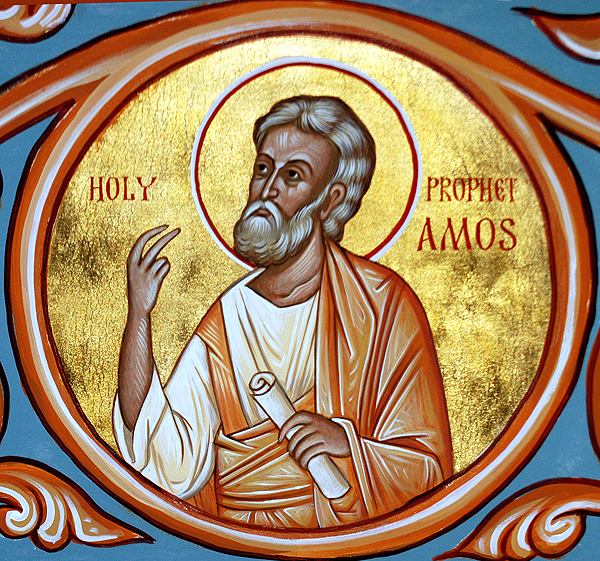
Amos, throughout his prophecy, made it clear that personal transgressions, social injustice, religious infidelity, and national sins were at the heart of the trouble.
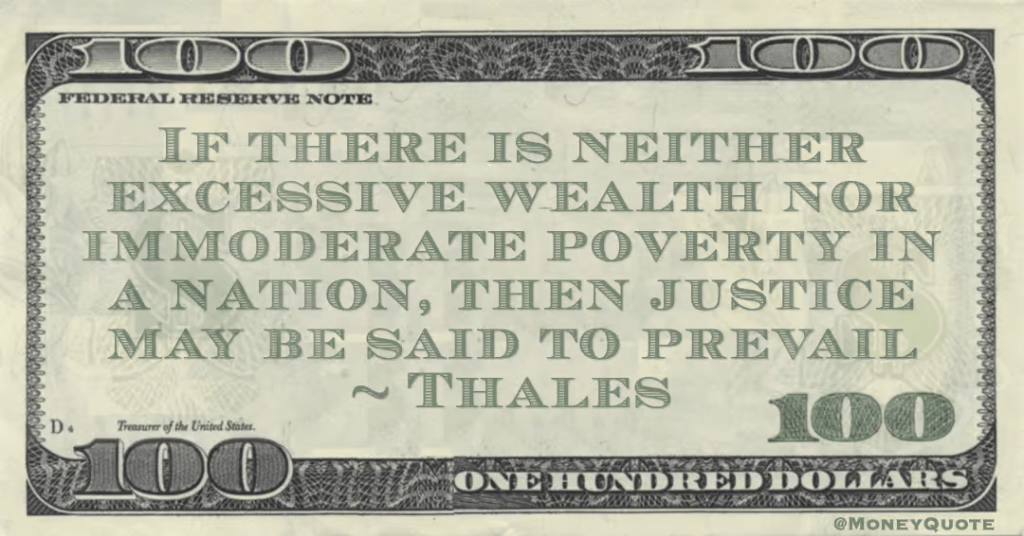
There was a tremendous wealth inequality which existed in ancient Israel. The people lost sight of the reality that everything belongs to God. Therefore, any resources they were blessed with should have been used to help the common good of all, especially the poor and needy.
It was from the prophets like Amos that the great early church preacher, St. John Chrysostom, developed his understanding of personal responsibility, church ministry, and national concern.
In sermon after sermon, Chrysostom argued and established that excessive wealth is dangerous to the soul. He continually warned his parishioners that those who accumulate exorbitant wealth are actually storing up a great retribution for themselves in the next life.
He insisted that the proper response to the extravagance of one’s possessions and money is to return to God and give liberally to others. One must understand, St. John argued, that all things belong to God. Thus, to acquire more and more is, in reality, a form of stealing from the poor.
Kindness and charity to the poor is imperative. Otherwise, a society cannot expect to realize ongoing blessing from God. Chrysostom constantly advocated for people to be generous in giving, not only to help the poor, but also to spur one’s spiritual growth and spiritual wealth. Building treasure in heaven, rather than on earth, was St. John’s basic orientation in life.
In today’s Old Testament lesson, after rehearsing seven different calamities which were meant as warnings, the eighth calamity would be to meet God face to face. We get the gist of the argument as a meeting that wouldn’t go so well for the filthy rich… that is, unless they willingly return to God and submit themselves and their stuff to the Lord of all.
Every one of us must ultimately come to grips with the fact that mercy and wrath are very real concepts that look one another in the eye. There is both hope and warning.
Will we return to the Lord, or will God effect a great visitation upon us?
Will God save us at the eleventh hour, or will the Lord bring devastation?
Either way, there is a meeting coming. Prepare to meet your God. It’s up to us how that meeting is going to shake out.
There is yet hope for those who are penitent, even and especially for those who finagled to obtain power and wealth for themselves. But if they are stubborn, they will find out what is the face opposite of mercy. This is the era of return, because it is still possible to change.
Yet even now, says the Lord,
return to me with all your heart,
with fasting, with weeping, and with mourning;
rend your hearts and not your clothing.
Return to the Lord your God,
for he is gracious and merciful,
slow to anger, abounding in steadfast love,
and relenting from punishment. (Joel 2:12-13, NRSV)
Most merciful God, we confess that we have sinned against you in thought, word, and deed, by what we have done, and by what we have left undone.
We have not loved you with our whole heart; we have not loved our neighbors as ourselves. We are truly sorry and we humbly repent.
For the sake of your Son Jesus Christ, have mercy on us and forgive us; that we may delight in your will, and walk in your ways, to the glory of your Name. Amen. (Book of Common Prayer)


 Rev. Tim Ehrhardt