Welcome, friends! John 3:16 may be a familiar Bible verse to many, yet a closer inspection reveals an immense treasure of the greatest realities ever for people everywhere. Click the videos below and let’s enjoy the love of God in Christ….
Pastor Tim Ehrhardt, John 3:16
God So Loved Lyric Video – Hillsong Worship
To God the Father, who loved us, and made us accepted in the Beloved: to God the Son who loved us, and loosed us from our sins by his own blood: to God the Holy Spirit, who spreads the love of God abroad in our hearts: to the one true God be all love and all glory for time and for eternity. Amen.
For God so loved the world that he gave his one and only Son, that whoever believes in him shall not perish but have eternal life. (John 3:16, NIV)
John 3:16 is a Bible verse so familiar as to be cliché. But when Jesus originally said these words, they were both tremendously freeing and incredibly scandalous. When something is familiar, we tend not to explore it any further. We need a closer look at the message of John 3:16 so we can not only see why some people embrace its light, but why others remain in darkness.
Perhaps another examination the gospel will dispel dullness and impel us toward praise, as well as to share its life-giving message not because we must, but because we want to. John 3:16 contains nine of the greatest spiritual realities we could ever experience.
1.“God” is the greatest subject ever.
The Bible contains lots of messages, promises, and commands. However, those are not the primary purpose for having the Holy Scriptures. The Bible has been given to us as a revelation of God to us so that we might know God. Every time the Scriptures are used, read, quoted, prayed, taught, learned, and heard – we know God a bit better. Anything short of knowing God falls short of the Bible’s intended purpose.
I constantly encourage a regular daily regimen of Bible-reading because it is the primary means of knowing God. Yes, we get to know God in creation and through experience, yet one of the best ways of experiencing God is through taking time for reading, meditating, memorizing, and praying of the Scriptures. Some of my most encouraging times are when I hear what people are learning about the Lord in God’s Word. With the Holy Spirit being our teacher, we discover more and more that God is the greatest subject we could ever learn about, talk about, and give our lives to.
2.“So” is the greatest extent ever.
There is a great wideness to God. God is a huge Being! Nothing is outside of God’s reach. So, when God decides to do something, nothing can stop it. We might be limited in our strength and abilities to accomplish things. But God’s extent is limitless. Knowing God means becoming familiar with an all-knowing and all-powerful Being. Prayer, then, becomes a response to God. God speaks to us through the Word, and we speak back with prayer so that the Word and prayer go like a hand in a glove. Our extent is temporary and small. Yet God takes our human prayers and uses them to accomplish divine purposes on this earth.
3. “Loved” is the greatest demonstration ever.
There is no greater demonstration of love than our triune God loving us with a sacrificial self-emptying love that saw our great need for deliverance and went to the greatest lengths possible to accomplish it. Our own love for God, each other, and the world is a direct result of God’s love for us.
This is how we know what love is: Jesus Christ laid down his life for us. And we ought to lay down our lives for our brothers and sisters…. This is how God showed his love among us: He sent his one and only Son into the world that we might live through him. This is love: not that we loved God, but that he loved us and sent his Son as an atoning sacrifice for our sins. Dear friends, since God so loved us, we also ought to love one another.(1 John 3:16; 4:9-11, NIV)
Where there is a lack of love there is an absence of God. Every human on planet earth needs the love of God in Christ. Without it we are lost. You are loved with sacrificial love. The greatest thing that can be said of you is that you are “loved.” Whatever has happened, is happening, and will happen that breaks you down, belittles you, hurts you, or causes you to feel like the north end of a southbound cow, is not what defines you. All may be going to hell around you, but nothing will change the unalterable reality that in Christ you are “loved!”
4.“The world” is the greatest object ever.
Up to this point you might not have sensed anything scandalous about this message of God’s grace and love. But this was the game-changing term for the original hearers of Christ’s words: God so loved the world. Many of Christ’s listeners could easily understand God loved the nation of Israel. But to say that God loved the world was going too far. It meant God loved Gentiles, specifically, Romans who occupied their land and oppressed them.
To capture the punch of this, it would be like Jesus showing up in our world today and saying that God so loved whomever we despise or hate. We often tend to assume that God hates who we hate. Right? Wrong. Yes, God hates evil and is opposed to all that destroys. Yet, God loves people for whom is placed the divine image within. For God to love the world is an incredible because there are so many unlovely people in the world.
Since God loves the world and demonstrated it in through Jesus, Christ’s Church is to reflect and embody this same love for the world. This has enormous implications for followers of Jesus. The Church is must embrace the same pejorative title as given its leader, Jesus: “Friend of Sinners.” People come to know Jesus through the love given us in Christ. Since this is our title, Christian ministry then becomes not about my personal preferences but about what will most effectively love the world to Jesus.
5.“That he gave his one and only Son” is the greatest gift ever.
John 3:16 by an 11 year old
For God did not send his Son into the world to condemn the world, but to save the world through him. (John 3:17, NIV)
We do not get God’s leftovers or second-hand items. God gave the dearest, best, and most beloved gift he could ever give: his Son. Therefore, the greatest and dearest gift we can give to another person is Jesus. Sharing such a gift Jesus must come freely from the depths of divine love. Apart from love we are only a resounding gong or a clanging cymbal. If it takes cajoling and exhortation for us to give the gift of the gospel, then the problem lies in our hearts. It takes coming back to God’s Word and knowing the love of God in Christ through the Scriptures.
6.“That whoever” is the greatest opportunity ever.
If the greatest gift a person can receive is Jesus, then the best opportunity one could take advantage of is Jesus. We are all at differing places in our relationship with Jesus. Yet no matter the person, the opportunity for grace and love is more than anything you could hope or ask for.
We are fortunate to have such a grace to know Jesus as Lord, Savior, teacher, healer, and friend. Those familiar with the name of Jesus all their lives but it has not gone much further than that, then the next point is vitally important….
7. “Believes in him” is the greatest commitment ever.
Jesus wants more than our acknowledgment of him; he wants us. Whenever I go home, my dog, Max Power, gets extremely excited. Honestly, I don’t really get excited about him. My typical response to him is, “Yes, Max, I acknowledge your existence.” I say it in hopes he will just kind of leave me alone and let me go about my business. But Max wants more. He wants my affection, my love, and my commitment. He wants a pet, a walk, food, and water.
God does not want to be treated like an annoying puppy. God wants our commitment. The Lord desires more than the tepid response, “I acknowledge your existence.” The most common response I get from people when sharing the gift of Jesus is “Yes, I believe in Jesus.” It is their way of saying they acknowledge his existence but are not much interested in giving their lives to him because they want to go about their business without God pestering them about anything. But God does demand something from us – our very souls. If we gain a view of God as gracious and loving, then we willingly desire an intimate commitment.
8. “Shall not perish” is the greatest rescue ever.
People perish not because God is unloving but because their theology is twisted – not to mention that we like our sin, and we don’t want to accommodate a holy God. The Titanic lost hundreds of people not for a lack of lifeboats. In fact, most of the lifeboats went into the water about three-fourths capacity. Many people simply did not believe they were perishing. They trusted in the ship’s reputation as being “unsinkable.” Jesus is our lifeboat.
9. “But have eternal life” is the greatest promise ever.
The promise begins now, not someday. Everlasting life means experiencing a life-saving and life-giving relationship with Jesus today.
Conclusion
If you ever had the feeling there is something more to life than what you are experiencing; if you ever wished you could start over; if you ever felt you cannot do this on your own; then, I have the greatest news ever. God has made a way to handle all your guilt, shame, and darkness. God loves you deeply in the person of Jesus Christ. There is new life in Jesus.
It was not through the law that Abraham and his offspring received the promise that he would be heir of the world, but through the righteousness that comes by faith. For if those who depend on the law are heirs, faith means nothing and the promise is worthless, because the law brings wrath. And where there is no law there is no transgression.
Therefore, the promise comes by faith, so that it may be by grace and may be guaranteed to all Abraham’s offspring—not only to those who are of the law but also to those who have the faith of Abraham. He is the father of us all. As it is written: “I have made you a father of many nations.” He is our father in the sight of God, in whom he believed—the God who gives life to the dead and calls into being things that were not.
Against all hope, Abraham in hope believed and so became the father of many nations, just as it had been said to him, “So shall your offspring be.” Without weakening in his faith, he faced the fact that his body was as good as dead—since he was about a hundred years old—and that Sarah’s womb was also dead. Yet he did not waver through unbelief regarding the promise of God but was strengthened in his faith and gave glory to God, being fully persuaded that God had power to do what he had promised. Therefore “it was credited to him as righteousness.” The words “it was credited to him” were written not for him alone, but also for us, to whom God will credit righteousness—for us who believe in him who raised Jesus our Lord from the dead. He was delivered over to death for our sins and was raised to life for our justification. (NIV)
Sometimes it’s easy to lose sight of why we are here on this earth and what we are really supposed to be doing. There’s just so much stuff going on around us all the time that it seems like we have spiritual attention deficit disorder and cannot focus on what is most important. Certain people irritate us, we scramble to make a decent living, there never seems to be enough time to accomplish everything, and there is adversity and obstacles all along life’s way.
There’s a lot going on in the Apostle Paul’s Epistle to the Romans. At first glance, like our lives, it seems complicated. Paul had all kinds of words for the Christians such as hope, faith, righteousness, and justification, just to name a few. All those words and ideas funneled into and pointed toward a singular focus: The Lord Jesus. Everything in life comes down to Christ.
The church was losing sight of why they existed. Within the church at Rome were both Jews and Gentiles, together as one people of God. They didn’t always see eye-to-eye on everything. The Gentiles thought the Jews were stuck in tradition and needed to move on. The Jews had centuries of history behind them of God working through them. They thought the Gentiles needed some solid Old Testament law to bolster their primitive spirituality. Would the church take their cues on life from the Gentiles, or the Jews?
“To one who has faith, no explanation is necessary. To one without faith, no explanation is possible.”
thomas aquinas
Paul essentially told the church they were headed in the wrong direction. The issues and problems of living the Christian life were to take a back seat to faith in God. To prove his point, Paul went back to Abraham as Exhibit A of what it means to live with and for God.
It went down like this: God made a promise to Abraham of progeny in his old age; Abraham believed what God said, Abraham demonstrated his faith by having the confident expectation (hope) that God is good for his promise; and God declared (justified) Abraham to have a right relationship with himself (righteousness).
In other words, the heart of Christian faith and practice is that God makes promises; people respond to God in faith, hope, and love. Law and the willpower to keep it doesn’t even come into the equation.
Christians are the spiritual children of Abraham. All God’s promises are fulfilled in Christ. We respond to God by believing in Jesus. The redemptive events of Jesus make us just and right. So, what does this mean for you and me?
We are not to get sidetracked with trying to make others be like us. Instead, we are to proclaim the promises of God in Christ so that others might respond by believing and embracing those promises. Furthermore, we have no need to try and get God to like us, notice us, and/or listen to us. God has already made and kept promises to us, demonstrating his love, mercy, and grace through his Son, the Lord Jesus.
Our lives are not to center in our abilities, or lack thereof, to live a godly life. Rather, our lives are to revolve around the person and work of Jesus Christ through faith, with the hope that God will always hold to his promise to be with us, which frees us to love others. This is basic Christianity 101. This is the faith we embrace.
Righteous God, you have made and kept promises to us. Our ultimate deliverance from sin, death, and hell isn’t through our ability to keep the law, but in your Son’s life, death, and resurrection. Help us, your people, to live by faith in Jesus who loved us and gave himself for us, in the strength of your Holy Spirit. Amen.
Oh, that my grief was weighed, all of it were lifted in scales; for now it is heavier than the sands of the sea; therefore, my words are rash. The Almighty’s arrows are in me; my spirit drinks their poison, and God’s terrors are arrayed against me. Does a donkey bray over grass or an ox bellow over its fodder? Is tasteless food eaten without salt, or does egg white have taste? I refuse to touch them; they resemble food for the sick.
Oh, that what I’ve requested would come and God grant my hope; that God be willing to crush me, release his hand and cut me off. I’d still take comfort, relieved even though in persistent pain; for I’ve not denied the words of the holy one. What is my strength, that I should hope; my end, that my life should drag on? Is my strength that of rocks, my flesh bronze? I don’t have a helper for myself; success has been taken from me. (CEB)
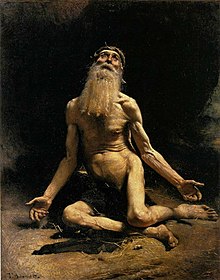
The Old Testament character of Job is famous as the poster boy for suffering, grief, and sorrow. A divine and devilish drama was taking place behind the curtain of this world, of which Job had absolutely no clue about. All he knew was that he lost everything – his family, his wealth, and his standing before others. The only thing left was his own life – and he was in such physical pain and emotional agony that he was ready to die.
Yet, the greatest pain of all seems to be the silence of God. Job has no idea, nothing to grab ahold of no earthly sense of why he was going through such intense and terrible suffering. His cries, tears, pleas, and expressions of deep hurt seemingly go un-noticed. Job felt truly alone in his horrible pain of body and spirit.
“We must learn to regard people less in the light of what they do or omit to do, and more in the light of what they suffer.”
Dietrich Bonhoeffer
Job’s story is as old as time – probably having taken place 4,000 years ago. And here we are, all these millennia later, knowing the story of why Job suffered, as well as the end of the story. But Job himself never knew why he suffered, even when God spoke and restored his health and wealth.
It is so extremely easy and normal to ask the question, “Why!?” When we are in the throes of emotional pain and our prayers seem to bounce off the ceiling, there is only trust left for us. We do what is unthinkable to others who have never known God – place our complete reliance and hope on the God for whom we know is not really sleeping or off on a vacation. We believe, even know, God is there. For whatever reasons which we might never know this side of heaven, God chooses to remain silent.
The genuineness of faith is not determined by giving the right answers to a theology questionnaire. Genuine faith is made strong through the trials, sufferings, pain, and lack of understanding in this life. We all suffer in some way. How we choose to respond to that suffering, either by cursing God and becoming bitter, or holding to God even tighter and becoming better, is totally up to you and me.
God of all creation, you see and survey all your creatures here on this earth. Sometimes I just do not understand what in the world you are doing or not doing. Yet today I choose to put my faith, hope, and love in you. I may not know what the heck I am doing, but you always work to accomplish your good purposes, through Jesus Christ, my Savior, along with the Holy Spirit. Amen.









 Rev. Tim Ehrhardt